Industry know-how, product spotlights, and tech-talk from the Star West team.
Stationary Natural Gas Engine Oils (NGEOs) are generally categorized by their levels of sulfated ash. Sulfated ash is the residue left behind after the oil is burned and consists of the metallic based additives in the oil. For NGEOs, this ash comes from calcium and magnesium-based detergents as well as zinc and phosphorus based anti-wear additives.
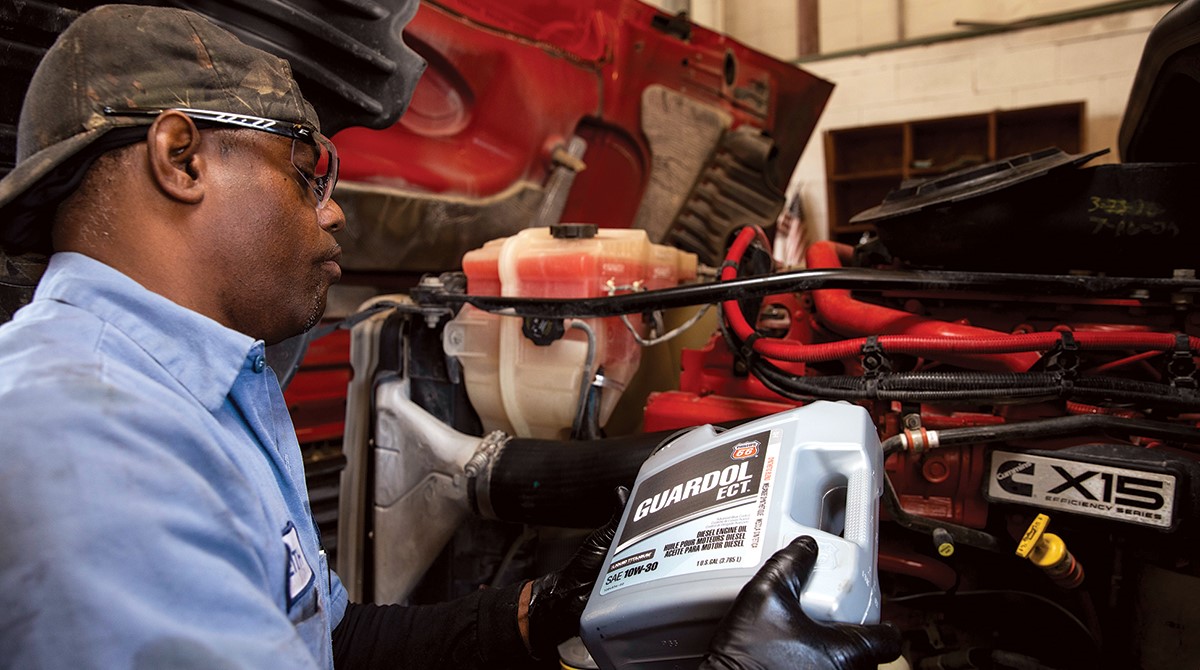
As the trucking industry explores zero-emission technologies such as battery-electric and hydrogen fuel cell vehicles, heavy-duty engine oil suppliers are applying less conspicuous methods of curbing airborne particulate matter and carbon emissions. Trucking’s major lubricant brands have been introducing formulations aligned with the rising market demand for more environmentally conscious products amid stricter emission regulations and corporate pledges to improve sustainability.
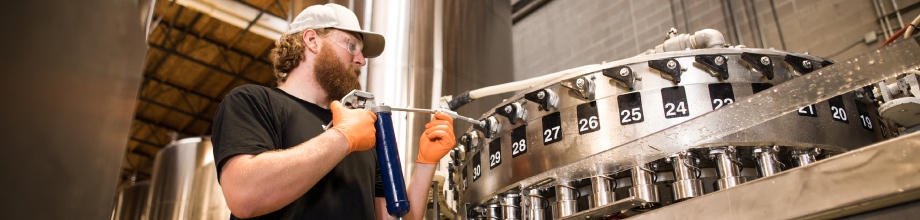
How to choose the best grease for every application. From axles to bearings, grease keeps your equipment’s moving parts running smoothly. Grease, unlike oil, is a semi-solid and viscous lubricant that stays in place. It is used in machinery applications when you need not only a lubricant, but a seal to keep out dust, dirt, water, and other contaminants.
In an ideal world, 100 percent of your equipment would operate 100 percent of the time at 100 percent capacity. But in the real world, equipment failure happens. The business impact of these failures can range from minimal and easily fixed to catastrophic, depending on the situation.
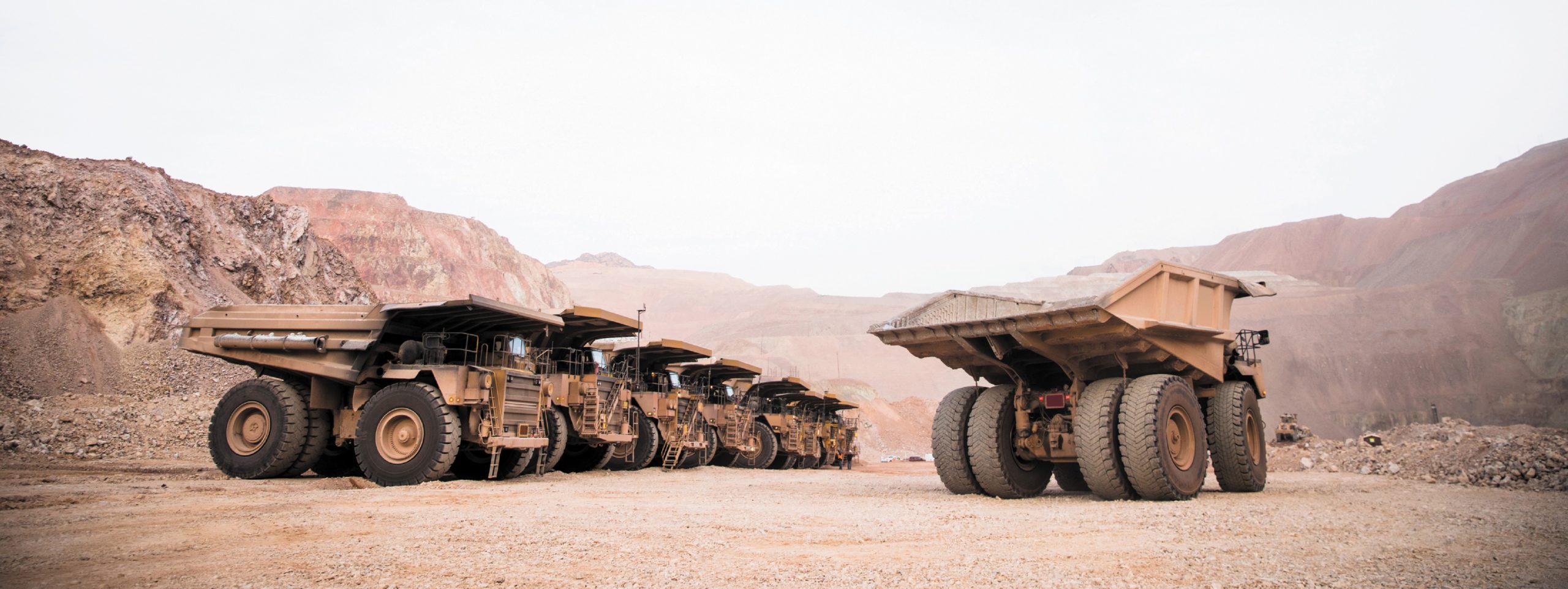
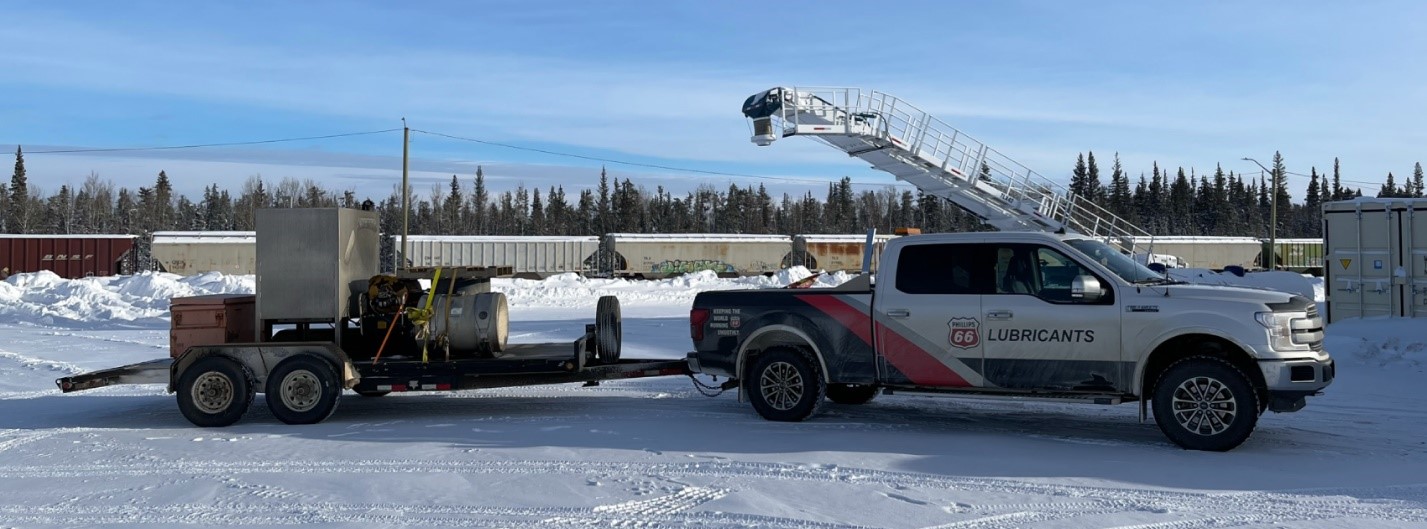
The Arctic Canadian Diamond Mine is located in the far reaches of the Northwest Territories on the edge of the Arctic Circle and is accessible only by ice roads during the winter. The ice roads are only open for a short period of time, so there is a very limited window to have products delivered before the ice roads close.
Aircraft engines should be used on a regular basis. Rust can occur when an engine is used infrequently or operated for a short period without reaching an operating temperature sufficient to evaporate the water generated from the fuel combustion process. Flying at least once a week for 30 minutes to an hour while maintaining an oil temperature in the 180°F range, should eliminate this problem.
Page 3 of 3